


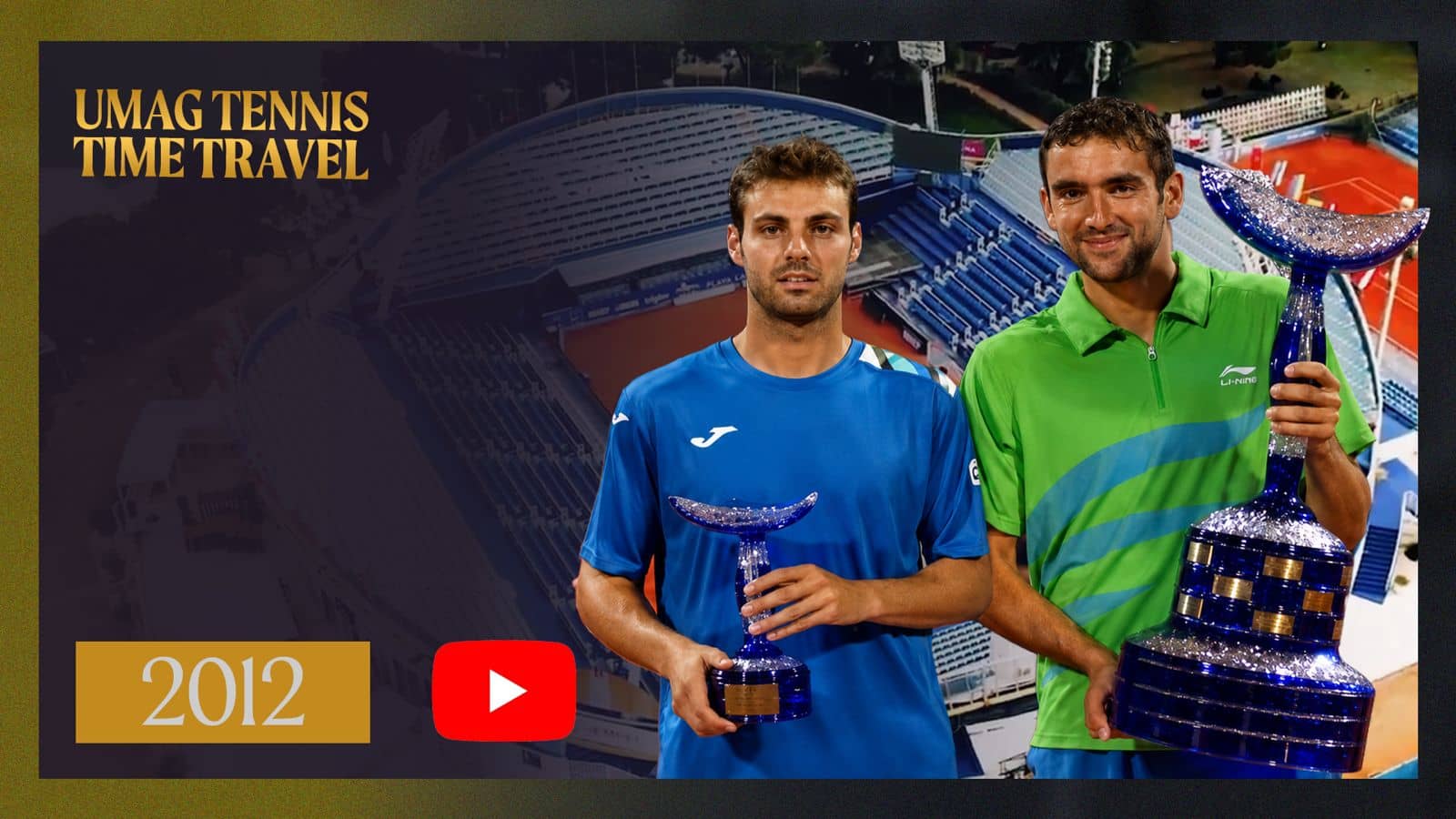
“‘This is a tennis rhapsody!’ exclaimed the legendary HRT commentator Mico Dusanovic in euphoric fashion, his commentary on that July Sunday in 2012 sounding particularly inspired.
As the “first” witness to the events unfolding on court, he followed them with a performance of his own, making no real attempt to hide how impressed he was by what he was watching.
And why should he have? Charging relentlessly toward the title was 23-year-old Marin Cilic, already firmly established as Croatia’s No. 1 player, peppering the court with a barrage of forehand winners fired one after another. A tidal wave that, at one point, completely overwhelmed his opponent — Spain’s Marcel Granollers.
Born in Barcelona and carrying the full name Marcel Granollers Pujol, Granollers arrived in Umag on an upward trajectory, both in reputation and ranking. By then he had already captured three ATP titles, most notably the ATP 500 crown in Valencia in 2011. Alongside his singles career, Granollers was also cultivating his doubles résumé, where he was already regarded as a proven champion.
The Spaniard’s path to the final had been anything but straightforward, as he dropped at least one set in every round. Still, the sense was that he was gradually timing his peak, something he confirmed best in the semifinals against top seed Fernando Verdasco, surrendering just one game in the deciding set. Verdasco, Umag champion in 2008, had already built a remarkable career, rising to world No. 7, reaching the semifinals of the Australian Open and helping Spain capture three Davis Cup titles.
Nor did Cilic’s semifinal opponent appear, at least on paper, to be a “walk in the park.” Quite the opposite — it was a rematch of the previous year’s final, where Alexandr Dolgopolov had prevailed in three sets.
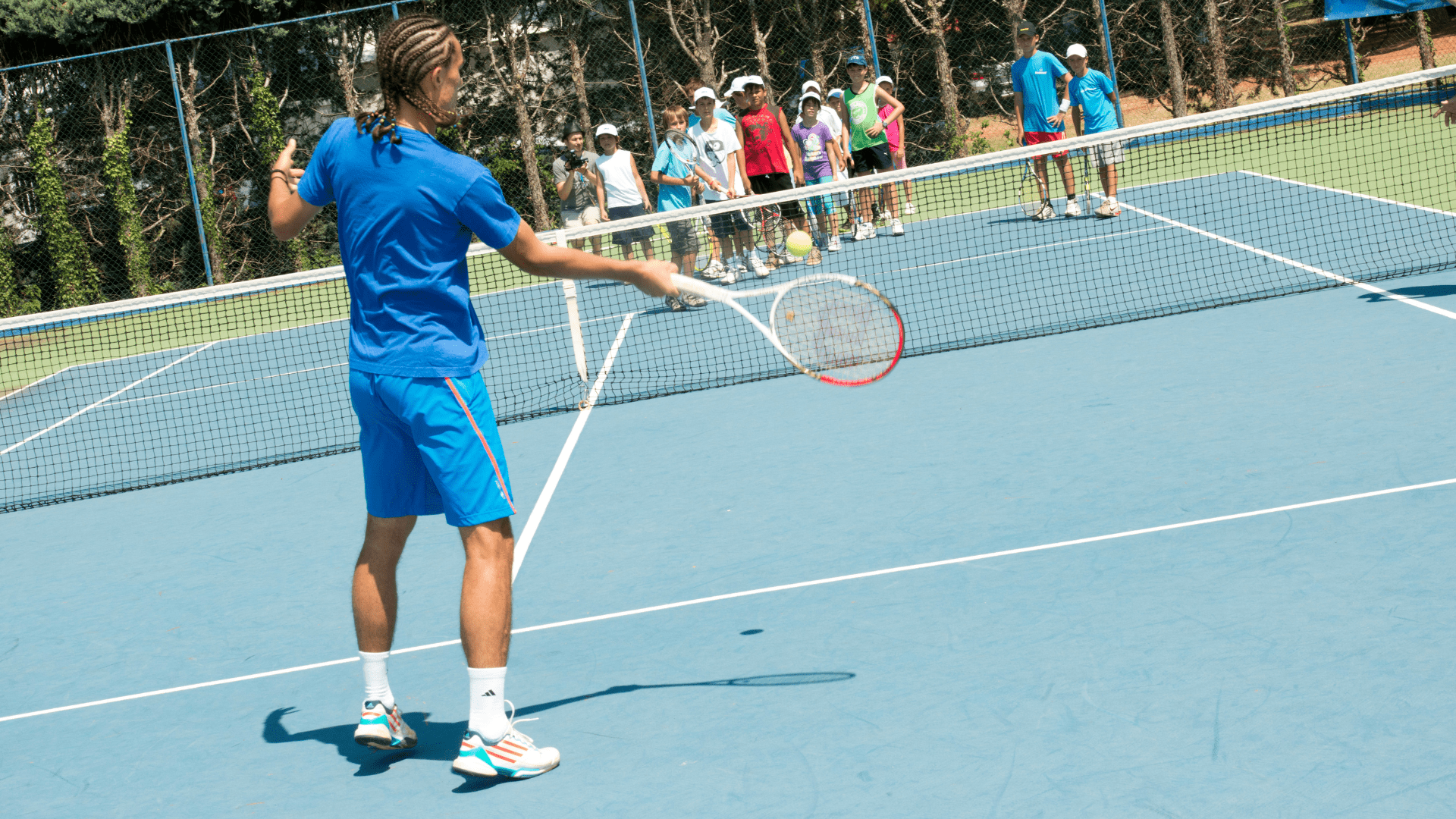
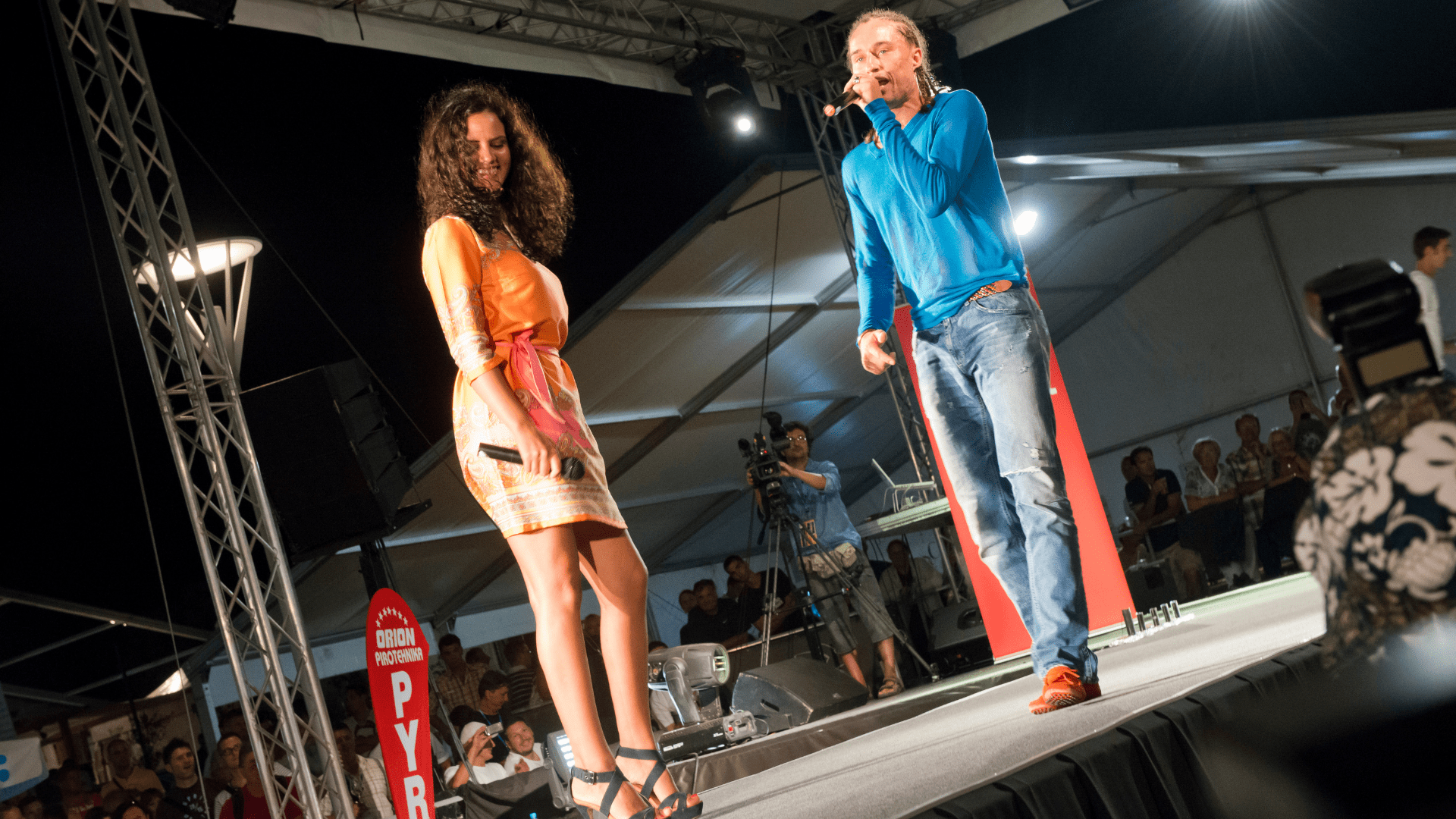

THE BEST RAPPER IN TENNIS
The popular “Dog” remains unforgettable to this day — a true original and one of the most beloved figures among tennis romantics. A sensationally creative virtuoso whose unpredictability was admired even by his greatest contemporaries, he carried the aura of a player capable of defeating absolutely anyone when in the zone. With an unorthodox, explosive serve built around an exceptionally low ball toss — a genuine “spin doctor” with at least three clearly recognizable variations of the shot — he approached every rally with complete authenticity. And while he shared Cilic’s rare tennis gift, the circumstances in which that gift was shaped could hardly have been more different.
It is difficult to escape the impression that Dolgopolov’s tennis destiny had been mapped out even before he was born — determined by environment and sporting genetics. His father Oleksandr was a renowned coach, best known for working with Ukrainian tennis great Andrei Medvedev. Young Alexandr did not merely discover the ATP Tour — he was born into it, growing up amid the rhythm of professional locker rooms and playing his first points with legends such as Jim Courier, Andre Agassi and Boris Becker. His mother, a celebrated gymnast, even preserved digital recordings of the first time Alexander picked up a tennis racket — at just one year old.Dolgopolov would eventually peak at world No. 13, and despite a career ultimately derailed by persistent health problems, he can still boast two victories over Rafael Nadal.
At the Umag tournament, which over two decades had evolved into a fusion of elite tennis, lifestyle culture and summer festival atmosphere, Dolgopolov was at the height of his popularity. It was precisely in Umag that he revealed another remarkable talent to the world — perhaps the best MC among tennis players. Laser-focused, wearing an even more serious expression on stage than he often did on court, the Ukrainian would grab the microphone and rap Eminem verses and hits, showcasing an impressive flow — more than enough to keep pace with one of the greatest artists hip-hop has ever produced.
FINALS — “Cilic Express” brings the trophy home
Among the other notable names and storylines from this third chapter of our Time Travel series was a wild card awarded to Mate Pavic. Although he played only a limited number of singles matches, Pavic unquestionably belongs to the elite group of Croatian players who made their ATP Tour debut in Umag, alongside Ivan Ljubicic, Marin Cilic, Borna Coric and Dino Prizmic.
That year, Pavic advanced through the opening round by defeating Juan Carlos Ferrero, the legendary Spaniard who was saying goodbye to professional tennis. The former world No. 1 and 2010 Umag champion would play only one more ATP Tour match after Umag.
FINALS — “Cilic Express” brings the trophy home
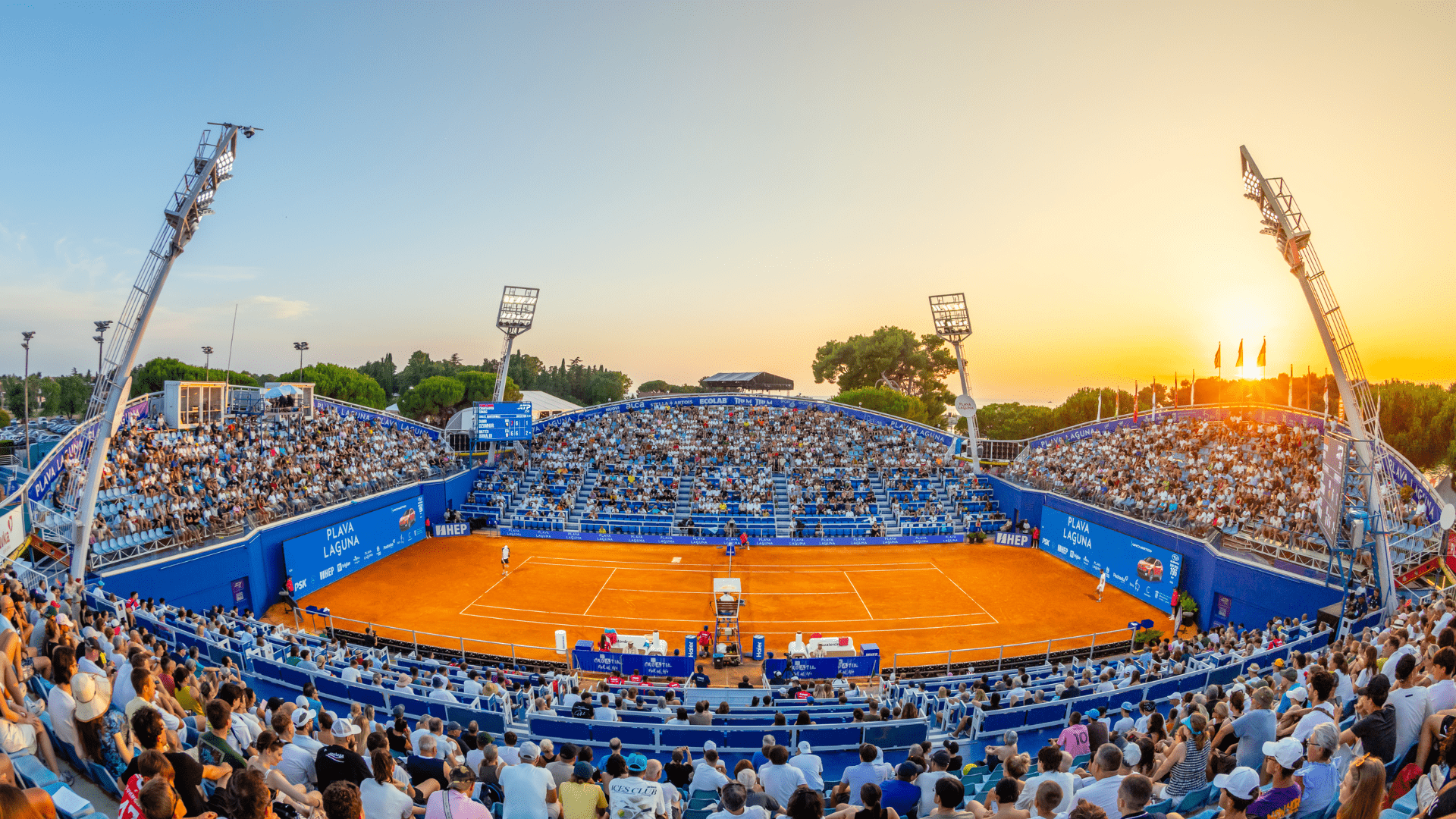
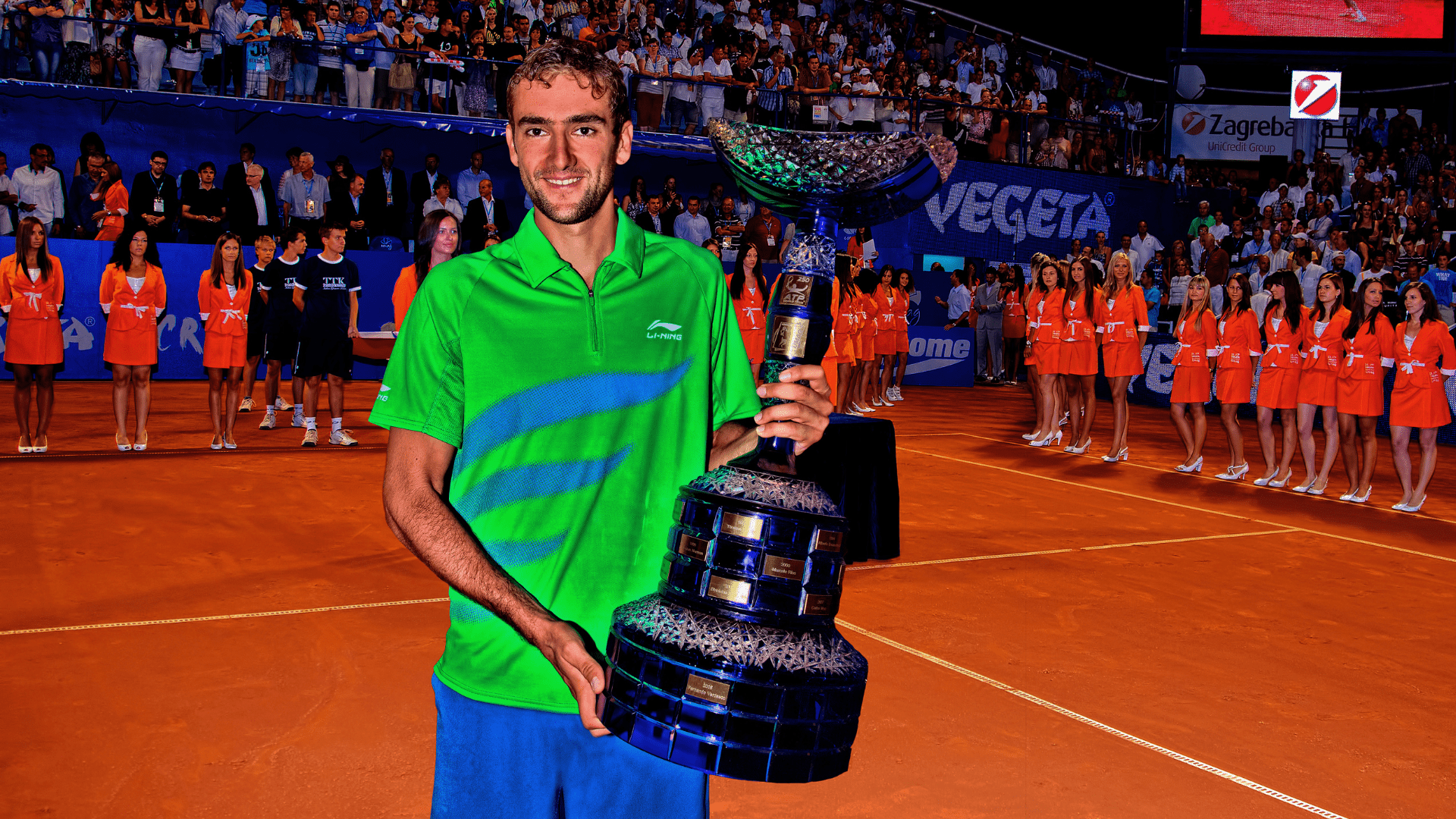
The packed stands of the Umag shell-shaped stadium were ready for what had been nervously anticipated ever since 1990 — a Croatian champion at the country’s flagship tennis tournament. Carrying the weight of that expectation, along with the memory of his loss in the previous year’s final, Cilic entered the match tentatively, fully aware that every eye was fixed on him.
The uncertainty, however, did not last long.
Fueled by adrenaline and atmosphere, Marin sweated out the nerves and soon took complete control of the court, playing the kind of unstoppable attacking tennis with which he had dismantled Dolgopolov in straight sets a day earlier. After trailing 2-4 in the opening set, the Croatian reeled off nine consecutive games, leaving his opponent without even a glimpse of hope.
With a 6–4, 6–2 victory, Marin Čilić brought the trophy back into Croatian hands, without dropping a single set throughout the tournament and conceding just 22 games in total.
GRANOLLERS — a double heartbreak and a “second” career in pursuit of dreams
Just one week after losing the Umag final, Marcel Granollers reached the peak of his singles career, climbing to a career-high ranking of world No. 19.
His singles career, while deserving of enormous respect thanks to four ATP titles, still cannot be mentioned in the same breath as the legendary achievements he would later accomplish in doubles. He played doubles in Umag too, and in 2012 he lost that final as well — just as Cilic had done the year before when he fell short in both finals.
Granollers himself would later admit that he never truly felt he belonged to “that league” of the game’s greatest individual players — a feeling that had accompanied him since his teenage years, when he grew up and competed alongside Rafa Nadal, who is two months younger than him. Together with Rafa, he dominated world junior team tennis for Spain, yet he would later confess that he never managed to beat Nadal.
Defeating Nadal — especially in the final of a clay-court tournament — has long been considered close to an impossible mission in tennis lore. Only five players ever managed it, two of whom are barely known to the wider public. Nuno Borges did so in the final match of Nadal’s career, at Bastad, while Argentina’s Horacio Zeballos defeated Rafa at the height of his powers in the 2013 Chile Open final.
Years later, Zeballos would become Granollers’ new doubles partner, and alongside him, an already celebrated doubles career would approach its zenith and reach entirely new heights.
Since 2021, the veteran duo has reached four Grand Slam finals, became the world’s No. 1 team in 2024, while the magical 2025 season represented the crowning moment of careers built across nearly two decades of perseverance. Their overflowing trophy cabinets were finally completed with titles at Roland Garros and the US Open. Granollers, who recently turned 40, still has no intention of stopping. He currently owns 32 doubles titles won alongside 12 different partners, including Ivan Dodig,today the captain of the Croatian Davis Cup team. Although he spent years longing for greater recognition, frequently pointing out that doubles tennis is not sufficiently valued in Spain, those historic achievements have surely softened the lingering sense that doubles remains treated as the sport’s “ugly duckling.”
“At the end of the day, people want to watch singles players. Everyone wants to watch Carlos, Rafa, Sinner… Doubles is a fun format, it has its audience, but people want to watch legends. That includes me too — I’m the first one who wants that.”
MARIN CILIC — the fulfillment of a dream far greater than reality itself
A scenario seemingly written for the movies — especially the kind of Hollywood story obsessed with narratives about people achieving the impossible against all odds — the success of Marin Cilic feels like something only life itself could have written.
A boy from the small town of Medjugorje who, for reasons known only to him, fell in love with tennis while his peers — including his own brothers — chose football and basketball instead, sports far more natural to a region where tennis infrastructure and know-how practically did not exist.
Tennis courts appeared almost exclusively through private initiatives. One of the first was built by the uncle of Ivan Dodig, while another emerged in the Cilic family yard itself, accompanied by raised eyebrows from relatives — proof of extraordinary vision and commitment, above all from Marin’s father Zdenko, who dared to dream together with his son.
“If we tried to explain that story to someone in Paris or New York today — it would sound impossible. Where I grew up, there was no tennis tradition. What to do, how to do it, how to train, where the knowledge was, what it took to reach the top 100 or play Wimbledon — it all felt like comedy…” Marin would later recall with humor.
Driven, as he himself would describe it, by pure boyish obsession, he had no real platform for comparison with his peers around the world — he simply trained and dreamed.
That breakthrough arrived at the age of 14, when he moved to the Croatian national tennis center in Zagreb, where under the supervision of the Croatian Tennis Association his meteoric rise truly began. Soon afterward, Marin’s career came under the mentorship of the late legendary Australian coach Bob Brett, who had previously coached another Croatian tennis icon — Goran Ivanisevic — from 1991 to 1995. The two remained close friends, which is why Brett traveled to Wimbledon in 2001 at Goran’s insistence, so he could witness from the Centre Court stands the final act of one of the greatest sporting fairy tales ever told.
The connection between those stories is more than obvious.
Years later, Goran himself would become Marin’s coach and help guide him toward some of the greatest achievements in modern Croatian tennis, highlighted by the dominant triumph at the US Open in 2014. Cilic entered a special zone that fortnight — from the quarterfinals to the title he did not lose a single set, and in the semifinals he swept aside Roger Federer in straight sets.
Mr. Brett, Cilic would later recount, once managed — in the role of a fatherly protector — to secure his protégé a sponsorship deal with a major sportswear manufacturer, one that included significant bonuses for winning junior Grand Slam titles. Legend has it that Marin cashed in on the very first opportunity only weeks after signing the agreement — by winning the junior Roland Garros title in 2005. An additional reward for the nearly two-meter-tall teenager arrived in the form of a ticket to the senior final, where another tennis wunderkind — Rafael Nadal — began his unprecedented reign over the Paris clay that very day.
“My parents gave me a chance…” Marin would later say, his eyes lighting up in exactly the same way they do whenever he speaks about the foundation that bears his name. Established with the goal of helping talented young people in sports and music pursue their dreams through annual scholarship programs, the foundation represents one of the things Cilic is proudest of. He often highlights the success of Croatian skier Zrinka Ljutic, one of its scholarship recipients, while admitting that his favorite moment of every year is personally reading the stories of young people reaching out to the foundation for support.
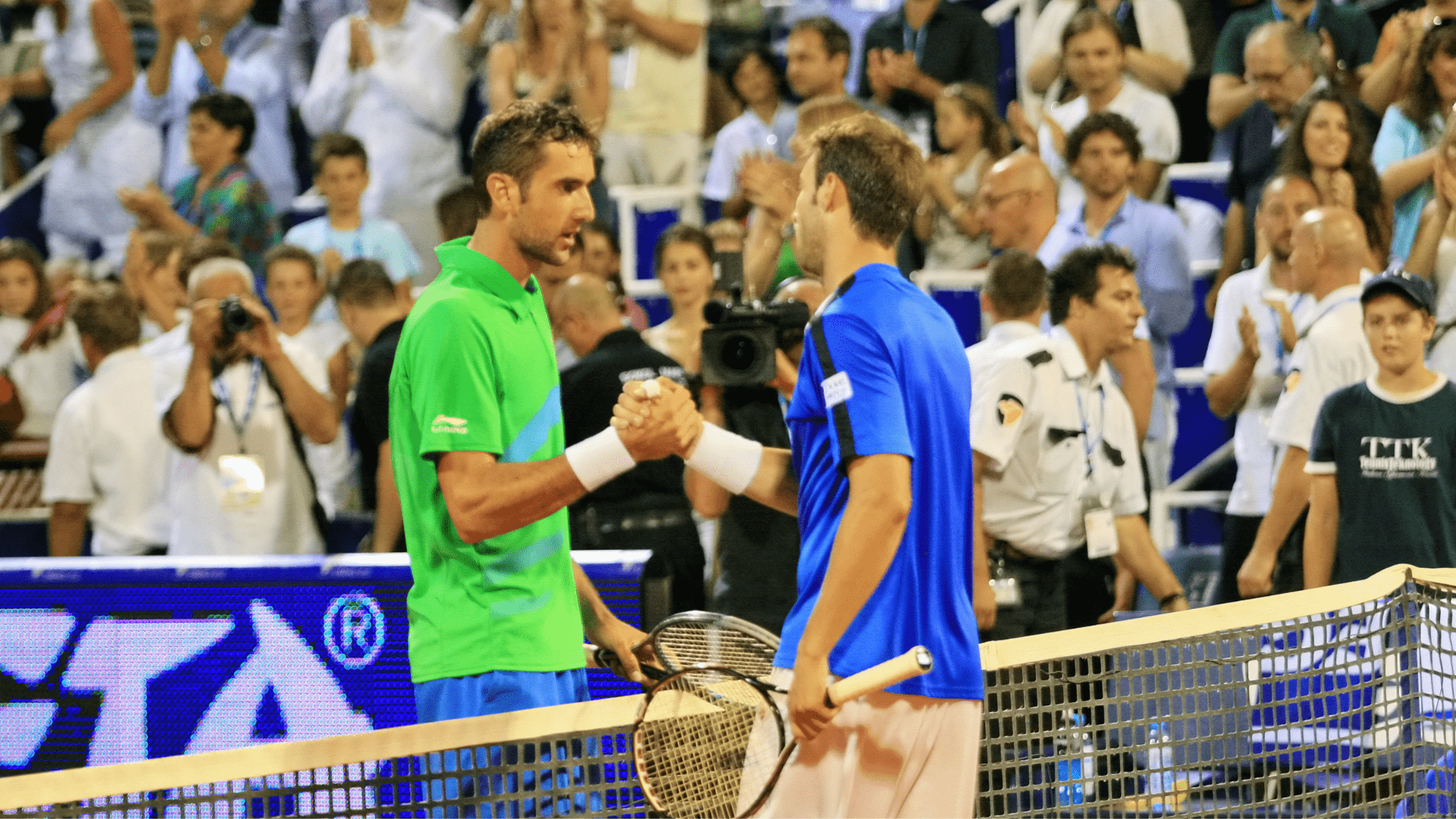
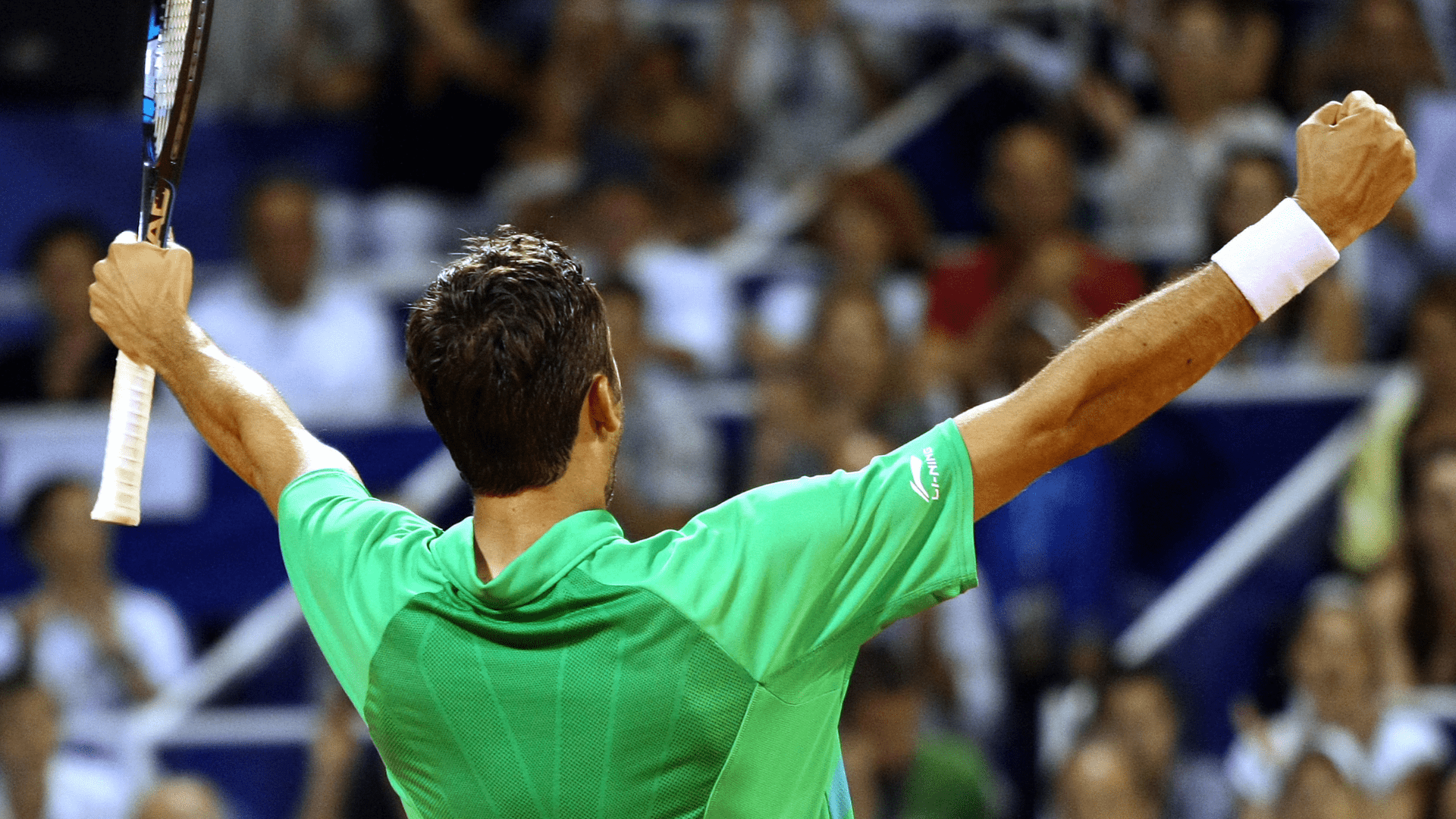
UMAG — once again an essential stop on the road to greatness
As we have already discovered — and continue to uncover throughout our weekly Time Travel series — the Umag tournament also proved a crucial stepping stone in Marin’s rise toward a magnificent career.
The 2012 title preceded the seasons in which Cilic fully established himself on the sport’s grandest stage and secured his place among the world’s top ten players. Returning regularly to the tournament where he had made his senior debut in 2005, Marin also competed in Umag in 2014 — just one month before “his” US Open.
Everything truly valuable is built to endure, and the same philosophy can be applied to the two finalists from 2012, both of whom continue to defy time itself despite changing generations and tennis eras.
“The only rule I would introduce is that nothing in tennis should ever be changed. I love this sport,” Cilic would say — today one of the ATP Tour’s most beloved figures worldwide, and one of the final guardians of tennis tradition.

.jpg)
.png)
.png)